
Controlling Fugitive Dust and Storm Water Runoff Contamination
Environmental regulations at the national and state levels are requiring more specific efforts to eliminate or mitigate sources of contamination to our streams, lakes, and air. Road builders, paving companies, residential developers, home builders, general contractors, commercial building construction companies, and commercial landscapers in particular are required to have environmental protection plans in place at their work sites or face potential liability including fines and even imprisonment.
Street sweeping controls fugitive dust and stormwater runoff, protecting air and water quality and helping operators comply with environmental regulations. 1‑800‑SWEEPER supports your dust control and water‑pollution prevention plans by offering the latest PM10‑compliant sweepers and best practices training.

According to the U.S. EPA, exposure to high concentrations of particulate matter, including airborne silica dust, affects breathing, aggravates existing respiratory and cardiovascular disease, and alters the body’s defenses against foreign materials, lung damage, and skin cancer. Further studies have linked breathable particulate matter with health problems like asthma and chronic bronchitis.
1-800-SWEEPER Partners have worked with officials in California and other states to help develop effective plans to contain and remove construction dirt and dust tracked onto paved surfaces. Today, every size municipality from small rural towns to large urban cities is concerned about fugitive dust control. Without state or city sanctioned dust control enforcement, problems quickly can turn into public nuisance complaints about poor visibility, choking dust clouds, and even life-threatening situations.
Although enforcement varies, the goals of fugitive dust legislation are consistent – to prevent surface material from becoming airborne. One example of state legislation is California PM10 – a health standard that addresses particulate matter less than 10 microns in size. California Health and Safety Code allows for assessment of civil and criminal penalties for violations that can carry potential penalties from $1,000.00 to $1,000,000.00 per day per violation and/or imprisonment in the county jail.
Fugitive Dust Control Measures require that material tracked by construction vehicles onto paved surfaces be promptly removed to prevent particulates from being pulverized and becoming airborne as traffic stirs the dust. Essentially, several steps are required to reduce airborne particulates – fugitive dust –originating from construction areas, landscaping, and road work at all times.
Because we are available on an as-needed, on a scheduled or on-call hourly basis, the road sweeping / power vacuuming experts at 1-800-SWEEPER can help you formulate a highly effective plan to:
Prompt dust control and roadway construction dirt removal can prevent serious complaints from nearby residential and commercial neighbors. Wherever it originates – local haul roads, landing fields, parking lots or highway construction work, roadway dirt track-out and dust control is your responsibility. If you are unsure if your facility, project or job site will require a surface disturbance permit, please contact your local or regional Air Quality Management agency. And call us at 1-800-SWEEPER. We can help!

Controlling contaminates and preventing them from entering waterways.
In addition to fugitive dust (airborne silica) control, regularly scheduled maintenance of active construction sites including street sweeping, wet scrubbing, and catch basin cleaning are suggested by the EPA as best management practices (BMPs) in pretreatment and preventive control of eroded soil, silt, and sand from reaching water sources. Home builders and other general construction companies are now charged with developing and maintaining a Stormwater Pollution Prevention Plan (SWPPP) that satisfies EPA regulations for stormwater pollution control. Additionally, routine catch basin cleaning or storm drain cleaning is vital to keep water flowing into storm drains and to prevent standing water and puddles that can damage parking lot and street surfaces. Professionally cleaning your stormwater catch basin ensures the proper function of drainage systems and prevents storm sewer backups that cause flooding.

Because we understand the environmental issues associated with construction road sweeping, including stormwater runoff and silica dust mitigation, you can rest assured that your job site will be in compliance with TODAY’s local, state, and federal environmental regulations. Different state or regional Environmental Protection Agencies may reference a SWPPP as:
Regardless of the title used in your state, power road sweeping will help you complete the SWPP to avoid costly fines and protect your construction company’s valuable reputation.

From on-call hourly sweeping for construction job sites to regularly scheduled ongoing service, 1-800-SWEEPER gives you a dependable, value-oriented sweeping solution that features only licensed, bonded, drug-tested, professionally trained environmental technicians. Finding your local partner contact for your next construction job or highway paving project is easy – just start here on our Locate Your Local Road Sweeping Company page. Or, call us today to get a plan in motion to contain and control construction dust.
Watch the short video below to discover multiple 1-800-SWEEPER advantages – Experience the Difference!
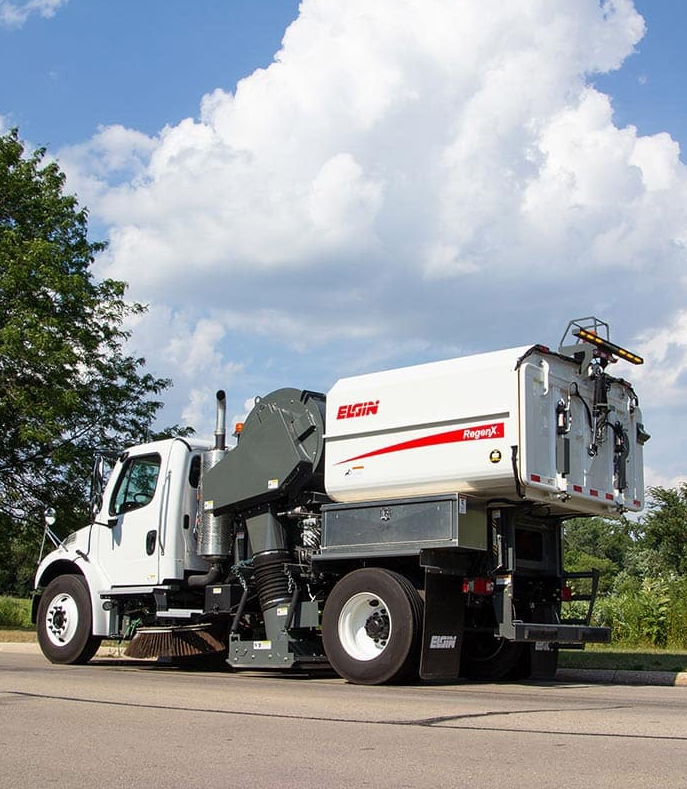
Street sweeping is a key environmental practice used to remove sediment, debris, and pollutants from paved surfaces before they enter stormwater systems. By capturing contaminants such as dirt, metals, and organic material at the source, sweeping helps protect water quality, reduce airborne dust, and support cleaner, healthier urban environments.
Street sweeping helps protect water quality by removing sediment, debris, trash, and pollutants from paved surfaces before rainfall carries them into storm drains and nearby waterways. These pollutants can include oils, metals, tire particles, and organic waste that degrade aquatic ecosystems. By removing contaminants at the source, sweeping helps reduce pollution entering rivers, lakes, and coastal waters.
Professional sweeping programs remove many types of pollutants that accumulate on roads and paved surfaces, including sediment, trash, leaves, tire and brake dust, petroleum residues, and heavy metals such as copper and zinc. Removing these pollutants helps prevent contamination of stormwater systems and protects downstream ecosystems.
Sediment is one of the most common pollutants found in urban stormwater runoff. Fine sediment particles can carry nutrients, heavy metals, and toxic compounds into waterways. When sediment enters rivers and lakes, it can smother aquatic habitats, reduce water clarity, and disrupt natural ecosystems. Removing sediment through regular sweeping helps reduce these environmental impacts.
Street sweeping reduces stormwater pollution by removing debris and contaminants before rainfall washes them into stormwater systems. By reducing the amount of pollutants available for transport during storm events, sweeping programs help cities lower pollutant loads in runoff and protect water quality in surrounding watersheds.
Dust and fine debris on roadways can become airborne due to traffic and wind, contributing to particulate air pollution. Street sweeping removes these fine particles from paved surfaces, helping reduce airborne dust and improving air quality for nearby residents, workers, and pedestrians.
Yes. Municipal governments, construction projects, and commercial property managers across the United States rely on sweeping services to reduce pollution, maintain stormwater systems, and support environmental protection initiatives. Regular sweeping helps communities meet environmental goals while maintaining cleaner and safer public spaces.
Find out more about becoming a
1-800-SWEEPER partner!
1-800-793-3737
Nationwide Coverage
24/7 Response & Emergency Services
Stay up-to-date on the sweeper news,
helpful tips, and more!